The measurement infrastructure enabling South Africa's Critical Minerals and Renewable Energy Transition
As South Africa expands beneficiation of critical minerals and develops battery materials, advanced manufacturing and energy-transition technologies, measurement confidence becomes a strategic national capability. NMISA's Inorganic Analysis Laboratory provides the measurement infrastructure that underpins quality assurance, regulatory compliance, international trade and global competitiveness across the critical minerals value chain. Recent participation in international comparisons covering platinum group metals, copper ores and concentrates, and rare earth elements demonstrates NMISA's capability to support South Africa's emerging minerals and beneficiation strategy through internationally recognised measurement science.
NMISA Inorganic Analysis Laboratory![]()
National Measurement Traceability from Mine to Market
Advanced Analytical Infrastructure
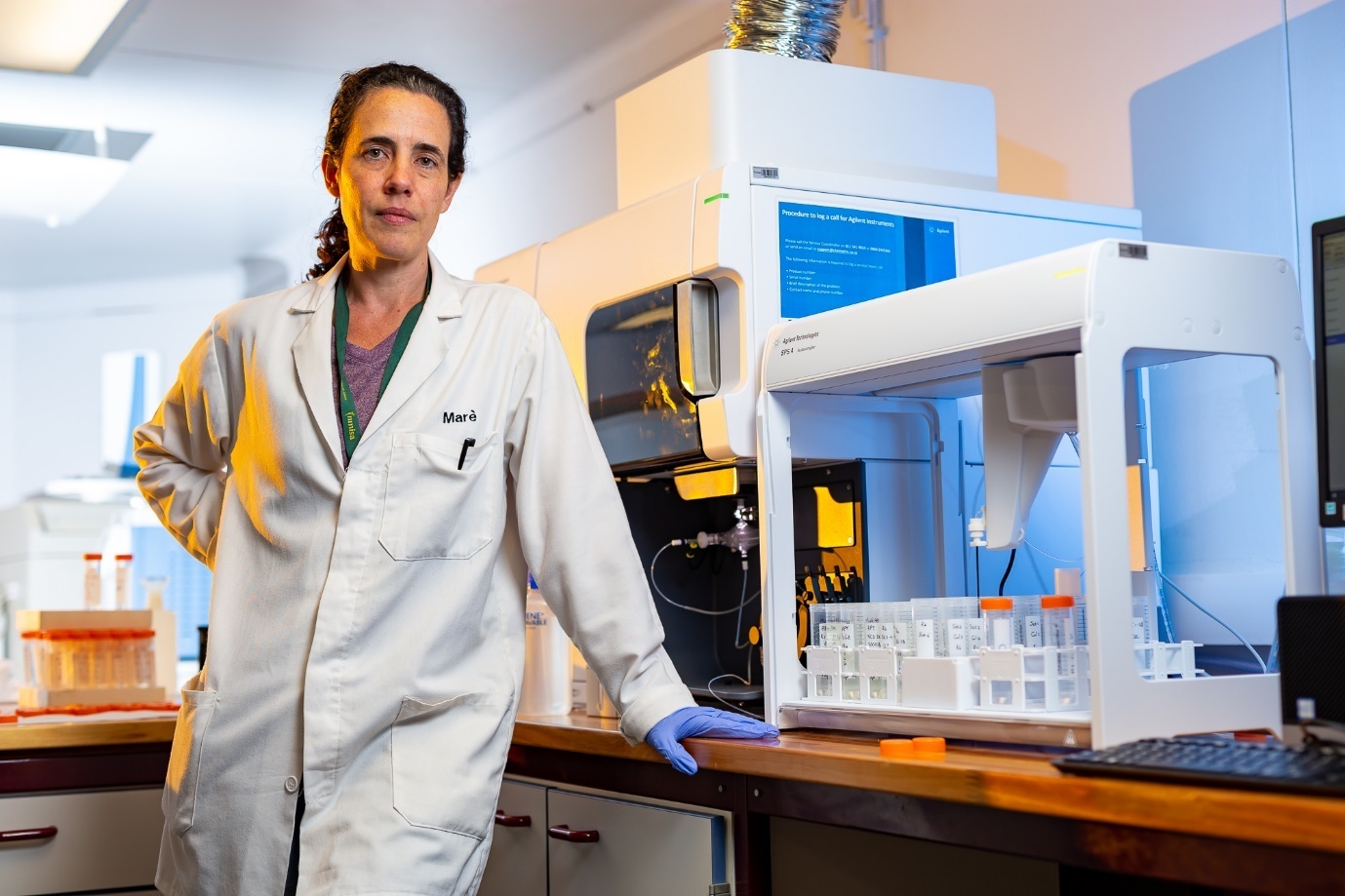
The laboratory maintains state-of-the-art elemental analysis capabilities for ores, concentrates, metals, alloys, soils, sediments, industrial materials and environmental samples, including:
-
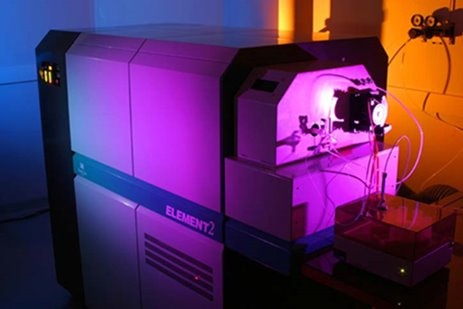
High Resolution ICP-MS (HR-ICP-MS) for applications where ultra-trace elemental analysis is critical
-
ICP Triple Quadrupole Mass Spectrometry (ICP-QQQ-MS) for complex matrices and interference-free measurements
-
ICP Optical Emission Spectrometry (ICP-OES) for routine major, minor and trace element determination
-
Advanced microwave digestion systems for complete dissolution of challenging types of samples
-
ISO/IEC 17025-accredited quality systems supporting SI-traceable measurements
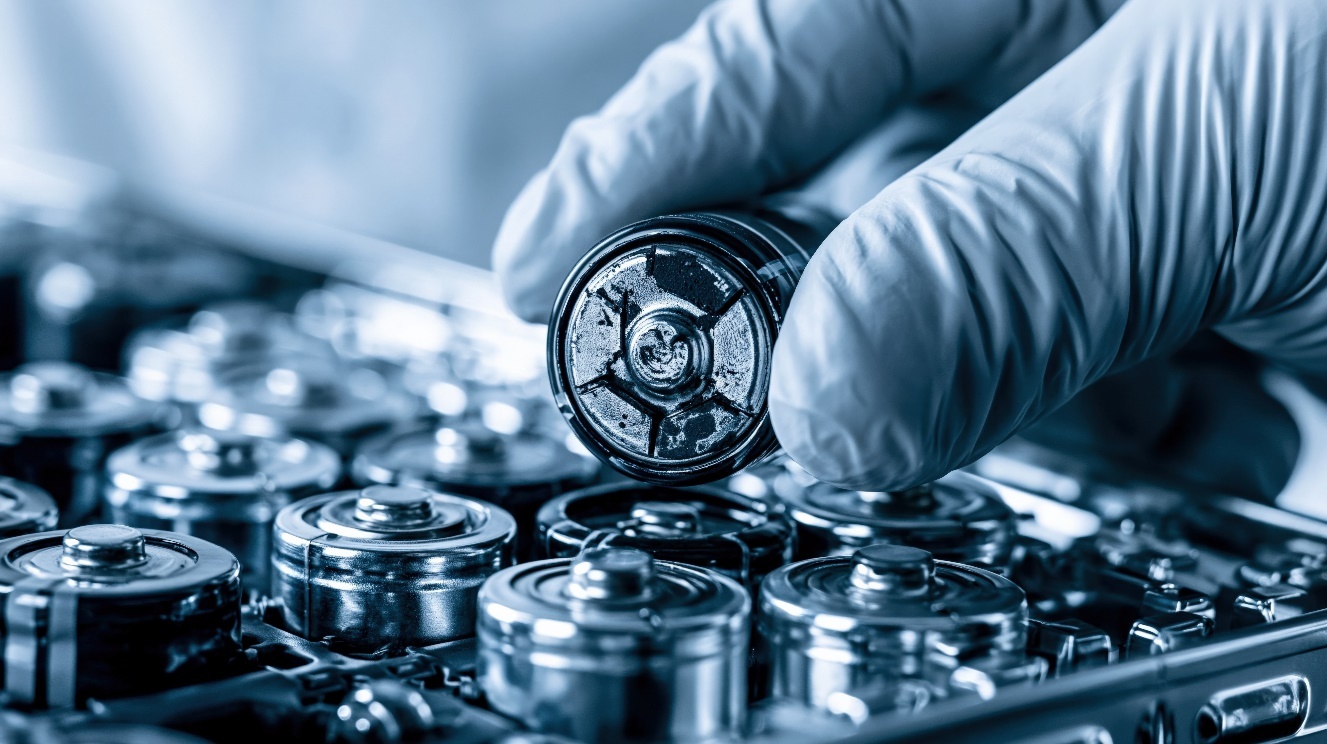
Together, these capabilities provide accurate determination of major, minor, trace and ultra-trace elements relevant to critical minerals value chains, including platinum group metals (PGMs), rare earth elements (REEs), as well as extremely low-level impurities of concern in high purity materials, e.g. cathode/anode materials, electrolyte solutions in the battery value chain where the presence of transition metal contaminants such as Fe, Cu, Ni, Cr, Co, or Mn can catalyse unwanted side reactions, increase self-discharge, or promote electrolyte decomposition.
![]()
National Measurement Infrastructure for Mineral Beneficiation
A successful mineral beneficiation industry depends not only on accurate measurements of ores and concentrates, but also on the availability of traceable calibration standards, reference materials and high-purity source materials that underpin confidence in every analytical result. Through internationally benchmarked metrology capabilities, NMISA supports the traceability chain from primary materials (high purity metals and salts) through to final products and environmental monitoring.
Internationally Recognised Capability
For more than two decades, NMISA's Inorganic Analysis Laboratory has demonstrated technical competence through successful participation in international comparisons coordinated by the CCQM Inorganic Analysis Working Group (CCQM-IAWG) and regional metrology organisations. These studies represent the highest level of international measurement benchmarking and provide objective evidence of equivalence with leading National Metrology Institutes worldwide.
|
Comparison |
Strategic Relevance |
|
CCQM-K87 & CCQM-K143 | High-purity materials, primary calibration solutions and measurement traceability |
|
SIM.QM-S13 | Copper ores and concentrates |
|
CCQM-K127 | Soil, geological and environmental materials |
|
CCQM-K160 | Platinum group elements in automotive catalysts |
|
CCQM-K178 | Rare earth elements, uranium and thorium in soil |
NMISA's capabilities extend beyond routine analytical testing to include:
- Evaluation and characterisation of high-purity materials through the accurate determination of trace and ultra-trace levels of impurities
- Preparation and value assignment of primary calibration solutions employing gravimetric procedures and state of the art ICP-MS instrumentation
- Development and maintenance of SI-traceable measurement systems employing primary measurement procedures
- Ultra-trace elemental analysis in complex matrices such as catalysts, high purity and geological materials
- Measurement uncertainty evaluation and method validation
- Support for accredited laboratories and industrial quality systems
These capabilities form the scientific foundation for measurements used throughout mining, beneficiation, advanced manufacturing and environmental monitoring value chains, thereby providing internationally recognised, SI-traceable measurements to ensure that South African mineral products meet the quality, traceability and compliance requirements of global markets.
Materials Characterisation
Turnkey Analysis from Mine to Market
![]()
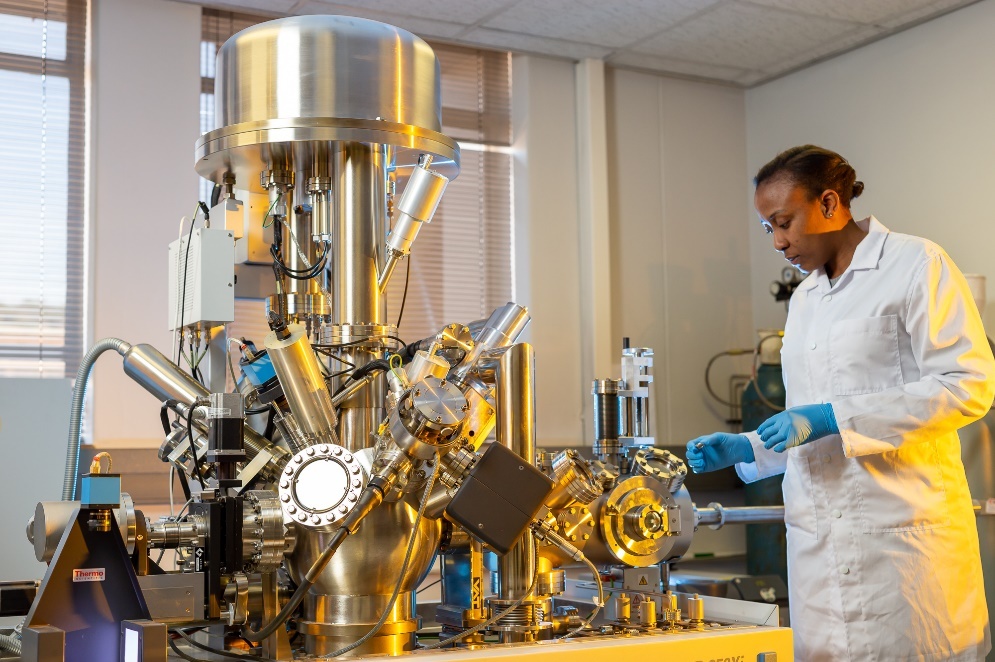
NMISA's Materials Characterisation Group provides internationally traceable analytical services that support South Africa's mining, mineral beneficiation, critical minerals and battery value chains, from exploration and mineral processing to advanced materials and energy storage technologies. As the only South African laboratory offering the listed techniques and complementary electron microscopy under one roof, NMISA delivers comprehensive materials characterisation without the need to send samples overseas.

|
Abbreviation |
Instrumentation |
|
XPS | X-ray Photoelectron Spectroscopy |
|
FIB-SEM | Focused Ion Beam Scanning Electron Microscope |
|
ToF-SIMS | Time-of-Flight Secondary Ion Mass Spectrometry |
|
XRD | X-Ray Diffraction |
|
FTIR | Fourier-Transform Infrared Spectroscopy |
|
PSD | Particle Size Distribution (laser diffraction) |
Our expertise spans the complete critical minerals ecosystem.
Upstream
We support mining, mineral processing and beneficiation through mineral identification, quantitative phase analysis, failure investigations and process optimisation. X-ray diffraction with Rietveld refinement enables accurate mineral quantification, while FIBSEM, SEM-EDS and advanced microscopy reveal microstructural features, liberation characteristics, inclusions and processing defects. These capabilities are particularly relevant to South Africa's globally significant resources of manganese, platinum group metals (PGMs), chromium, vanadium and other strategic minerals.
![]()
Downstream
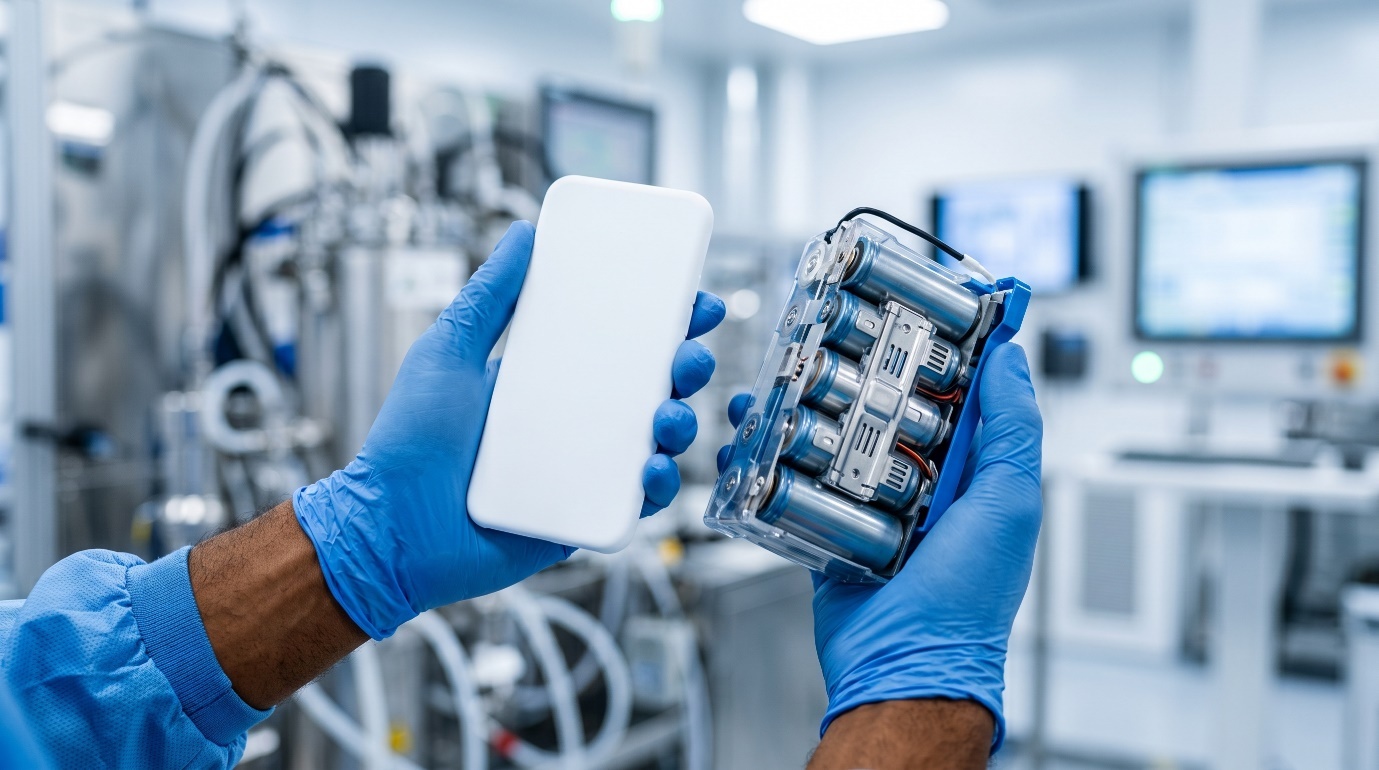
NMISA supports the battery value chain through the characterisation of cathode and anode materials, electrolyte solutions, separators, current collectors, coatings and assembled battery components. XRD confirms crystal structure and phase purity of cathode and anode materials, FIBSEM, PSD characterises particle morphology and internal microstructures, while XPS provides detailed surface chemistry and oxidation state analysis of multivalent elements such as manganese, nickel, cobalt and vanadium, critical parameters influencing battery performance, lifetime and safety. ToF-SIMS further enables high-sensitivity surface and interface analysis for next-generation battery research and advanced coatings.
NMISA further has capabilities in Organic analysis focussing on polymer composition and analysis. Applying techniques such as DSC, TGA, pyrolysis GC-MS and GC-MS for analysis of phthalates and accurate water content determination applying KF coulometry.
|
Abbreviation |
Instrumentation |
|
TGA | Thermal Gravimetric Analysis |
|
DSC | Differential Scanning Calorimetry |
|
Pyr – GC-MS | Pyrolysis Gas Chromatography Mass Spectrometry |
|
GC-MS | Gas chromatography Mass Spectrometry (Phthalates) |
|
KF Coulometry | Karl Fischer Coulometric titration |
As South Africa's National Metrology Institute, NMISA combines state-of-the-art analytical instrumentation with internationally traceable measurements, technical expertise and impartial scientific support. Our services help industry, researchers and government improve product quality, optimise beneficiation processes, accelerate innovation and strengthen local manufacturing across the critical minerals and battery value chains, supporting the country's transition towards a competitive, value-added minerals economy.
Electrical metrology and renewable energies
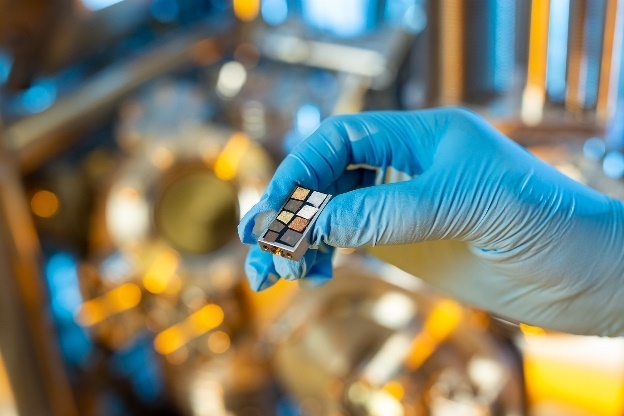
NMISA's DC Low Frequency and Radio Frequency (DCLF&RF) laboratories underpin the electrical measurements the renewable energy sector's business case actually depends on.
South Africa's national AC power and energy standard, a three-phase power comparator spanning active, reactive and apparent power at 30V–480V, 10mA–160A and the full power factor range, is the traceability root for the revenue-grade meters that determine what grid-tied solar and wind IPPs get paid and what municipalities bill customers.
The same lab's DC voltage (Josephson standard, 100mV–1kV), resistance and AC-DC transfer standards (2mV–1kV/10Hz–1MHz for voltage, 2mA–100A/10Hz–100kHz for current) calibrate the I-V curve tracers, power analysers and DC sources used to certify PV module output, test inverters, and validate battery/BESS charge-discharge performance against SANS/IEC standards.
This is the difference between a bankable performance warranty and an unverifiable manufacturer's claim.
RF power, impedance and attenuation standards (100kHz–50GHz) round this out, supporting the test equipment behind the SCADA and telemetry links now monitoring distributed renewable and storage assets.
Contact Us
NMISA welcomes collaboration with government, industry, academia, and other stakeholders to advance South Africa's critical mineral-, battery materials- and energy storage value chains. Our measurement science expertise supports innovation, quality assurance, and internationally recognised measurement confidence from critical minerals through to advanced energy technologies. For further information or collaboration opportunities, contact us at iMAT@nmisa.org or info@nmisa.org